Movement doesn’t have to happen in a gym.
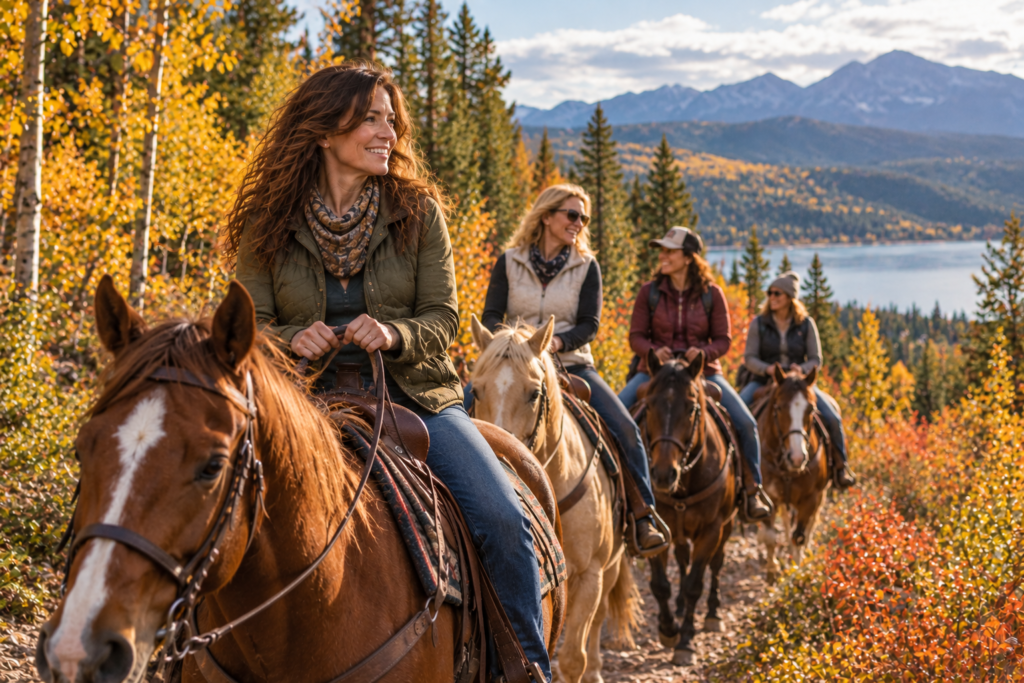
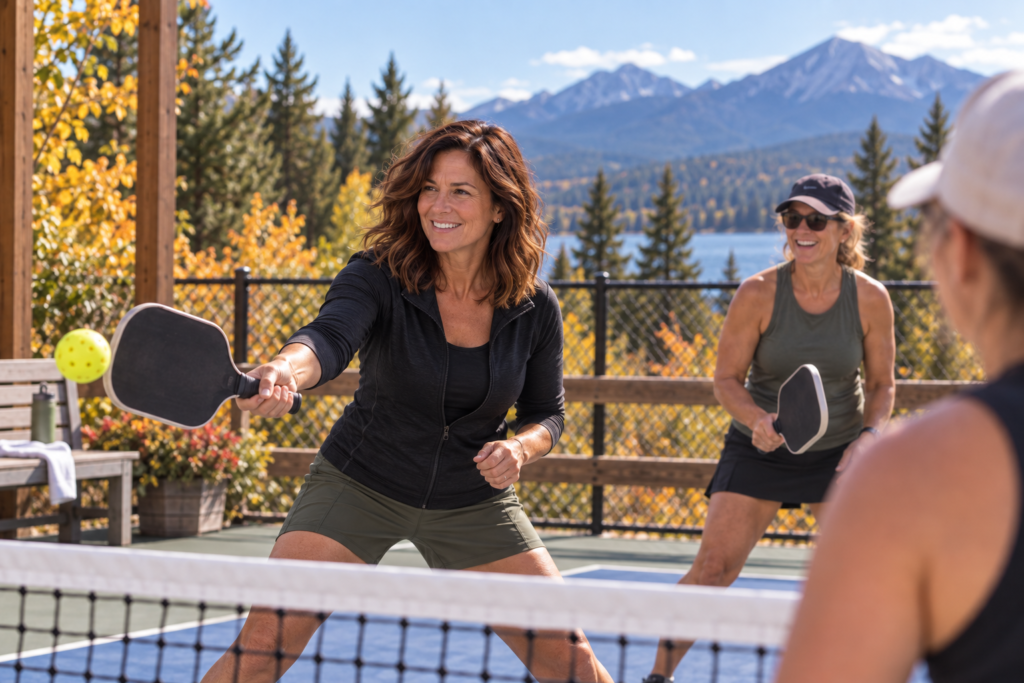
It can happen on a pickleball court. In an apple orchard. On horseback. In a kayak. Chasing the kids across the yard. Carrying home the Christmas tree. Learning to skate again. Trying something you’ve never even heard of until somebody says, “Want to?”
There are a thousand ways to use a body.
Move is where we go find them.
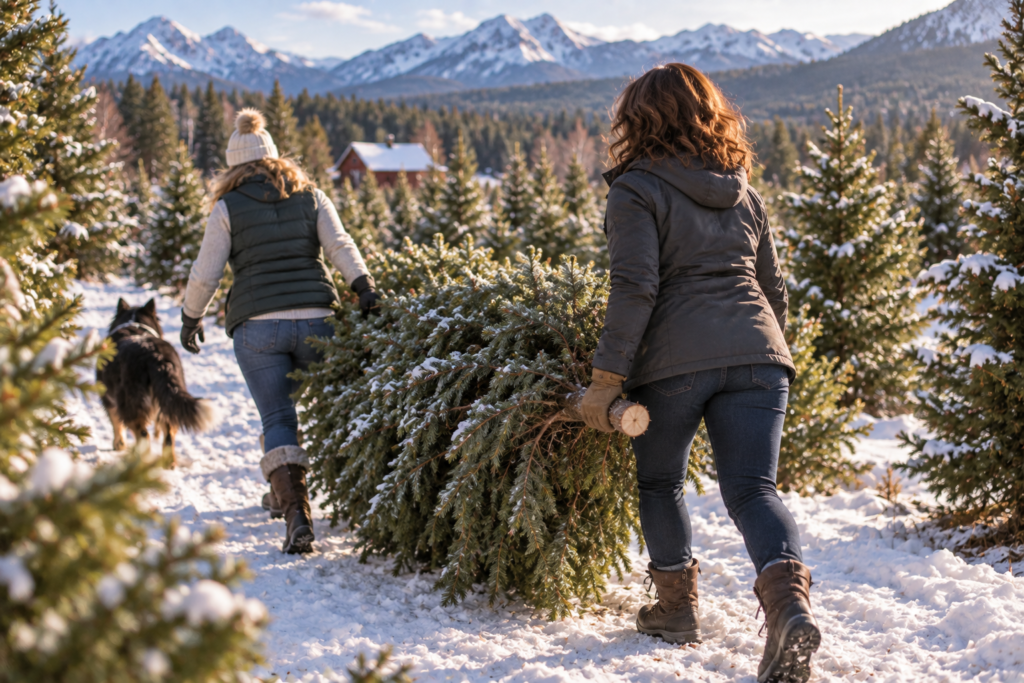
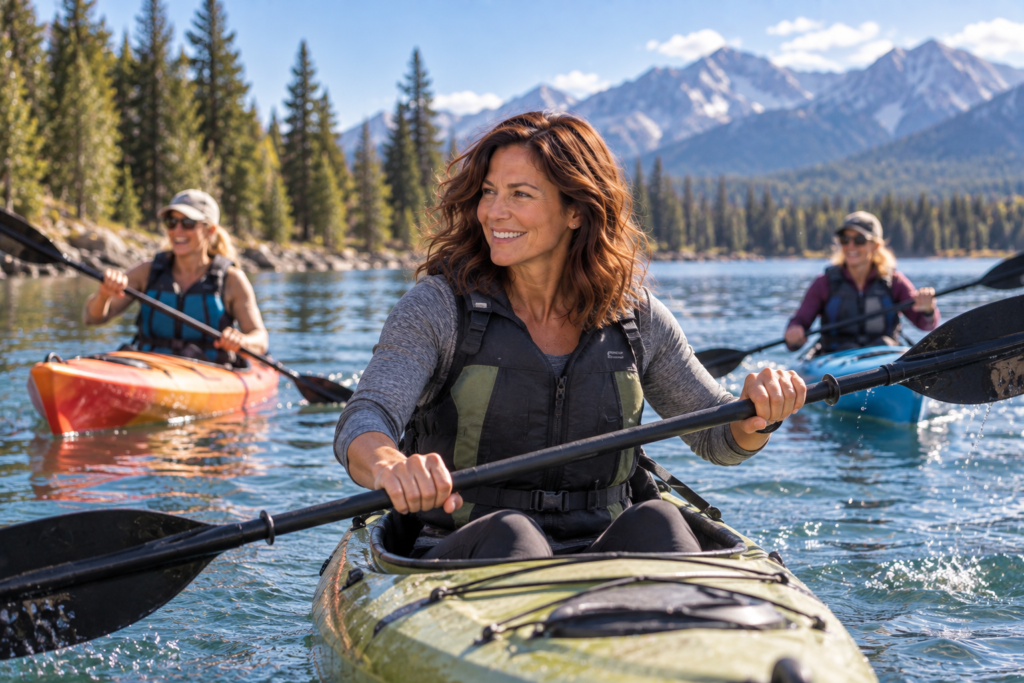
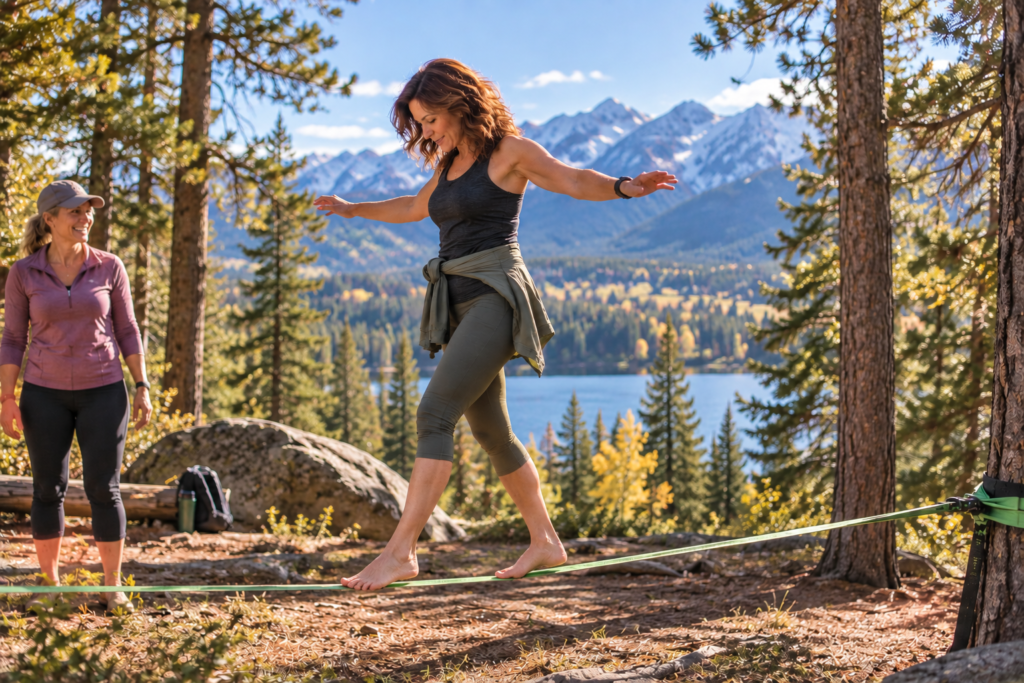
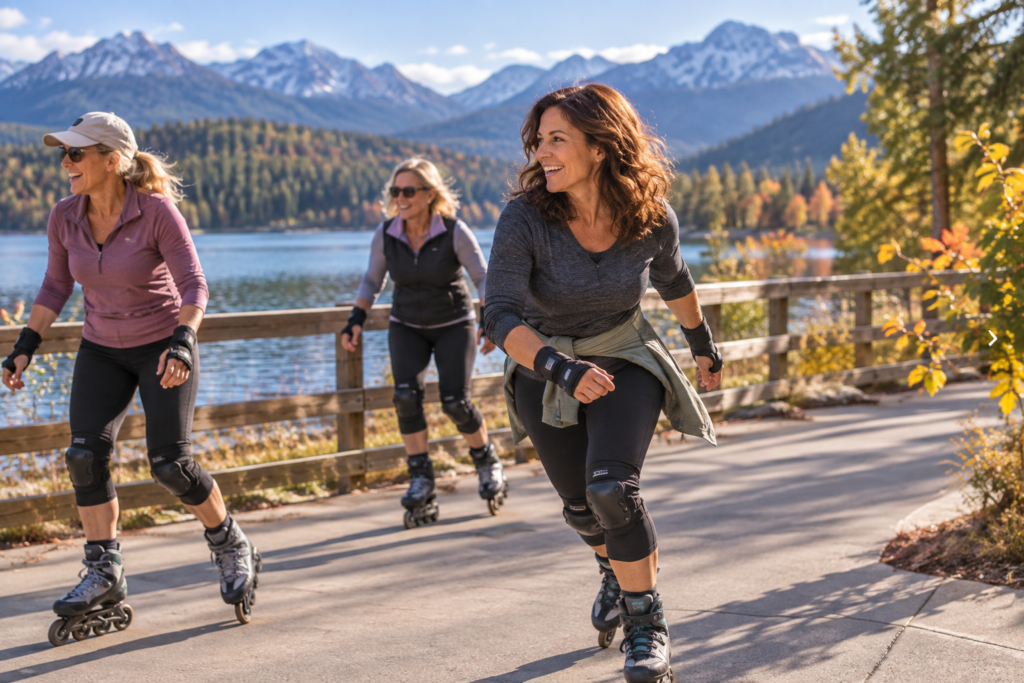
No workout plan required. Just keep finding reasons to use your body.
Movement Is Bigger Than Exercise
Somewhere along the way, movement became something we thought we had to schedule. A workout. A class. Thirty minutes on a machine. A certain number of steps before the end of the day. But your body doesn’t know whether the movement you’re asking of it came from an exercise plan. It knows that you walked across an apple orchard carrying a basket that got heavier as you went, climbed the hill because the view was better from the top, paddled across the lake, chased a football through the yard, hauled the Christmas tree back to the car, worked in the garden, danced through an outdoor concert, or spent an afternoon exploring a town you’d never visited before.
Those things aren’t substitutes for exercise. They’re movement in their own right, and that’s an important distinction here. We’re not going to turn every enjoyable thing you do into a calculation of steps, calories, minutes, or whether it “counts.” We’re going to remember that having a body capable of moving through the world is one of the ways we get to participate in our own lives.
Movement can have a purpose. And sometimes that purpose can simply be: That looked fun. So I did it.
Don’t Retire Your Body Before You Have To
There is a strange message that starts following women around as we get older: slow down. Be careful. Take it easy. Choose the gentler version. Some of that advice can be appropriate in the right circumstances, but getting older is not, by itself, an instruction to stop asking things of your body. Midlife is not the moment when you are supposed to quietly begin withdrawing from the physical parts of your life.
In fact, this is a time when continuing to use your body matters. Muscle mass and bone density can decline with age, and the hormonal changes surrounding menopause can influence both. Strength, balance, coordination, cardiovascular fitness, and the ability to move confidently through the world are capacities worth protecting. That doesn’t mean you need to become an athlete or start chasing increasingly difficult adventures. It means your body still benefits from having reasons to lift, carry, reach, balance, climb, paddle, push, pull, walk over uneven ground, learn unfamiliar movements, and occasionally figure out how to do something it has never done before.
There is something else worth protecting, too: your willingness to try. New activities ask more of you than physical effort alone. You have to pay attention, solve problems, learn skills, adjust when something doesn’t work, and tolerate being a beginner again. Sometimes you wobble. Sometimes you miss. Sometimes everybody laughs because whatever you just attempted looked absolutely nothing like the instructor’s demonstration. None of that is evidence that you are too old to be there. It is evidence that you are still learning.
The goal isn’t to prove that age doesn’t exist or to spend the rest of your life trying to perform like your twenty-year-old self. Your body will change, and what you can or want to do may change with it. The point is not to surrender capability simply because you have reached an age when people start expecting you to slow down. Keep giving your muscles reasons to work. Keep giving your balance reasons to adapt. Keep giving your brain something unfamiliar to figure out. Keep finding reasons to use the body you’re building.
You aren’t training so you can become good at exercising. You’re building a body that can keep saying yes to your life.
There Is More to Do Than You Think
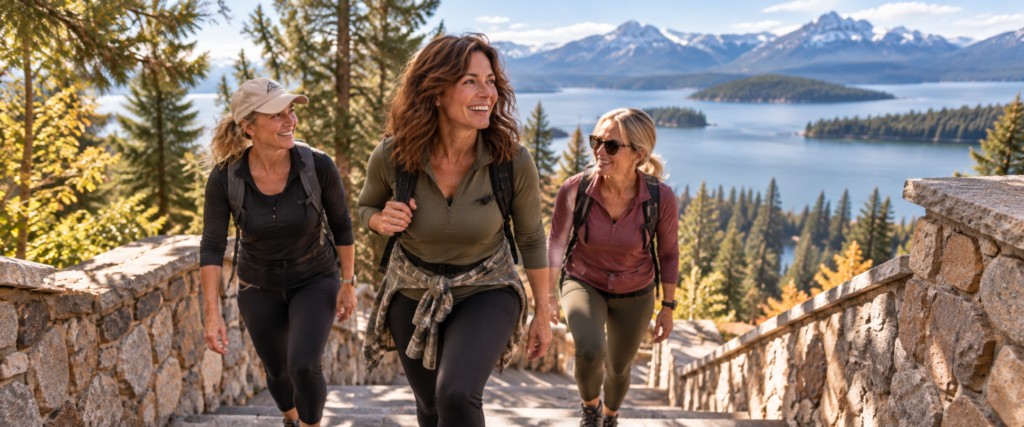
When someone says you should “move more,” it is remarkably easy to picture the same handful of things: walk, run, ride a bike, go to the gym. Those are all perfectly good options, but they barely scratch the surface. There is an enormous world of things you can do with a body, and plenty of them don’t look anything like exercise.
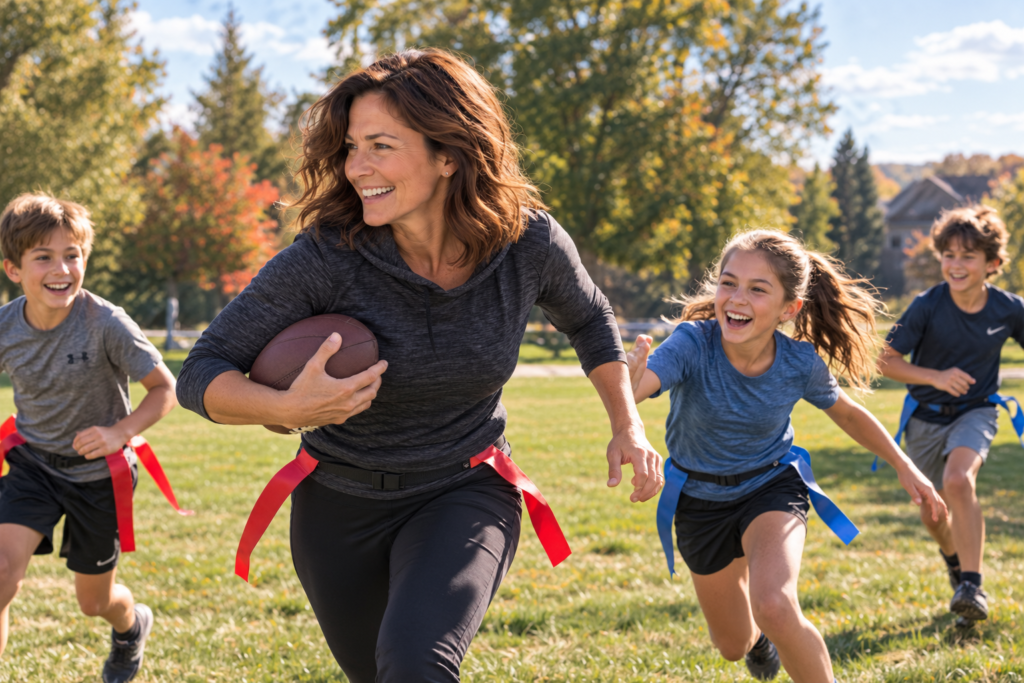
Maybe you want to play. Pickleball, badminton, backyard flag football, Frisbee, roller skating, ice skating, dancing, tossing a ball around, or finally learning the yard game everyone else somehow already understands. Movement can be competitive, ridiculous, social, nostalgic, or something you do mostly because it makes you laugh.
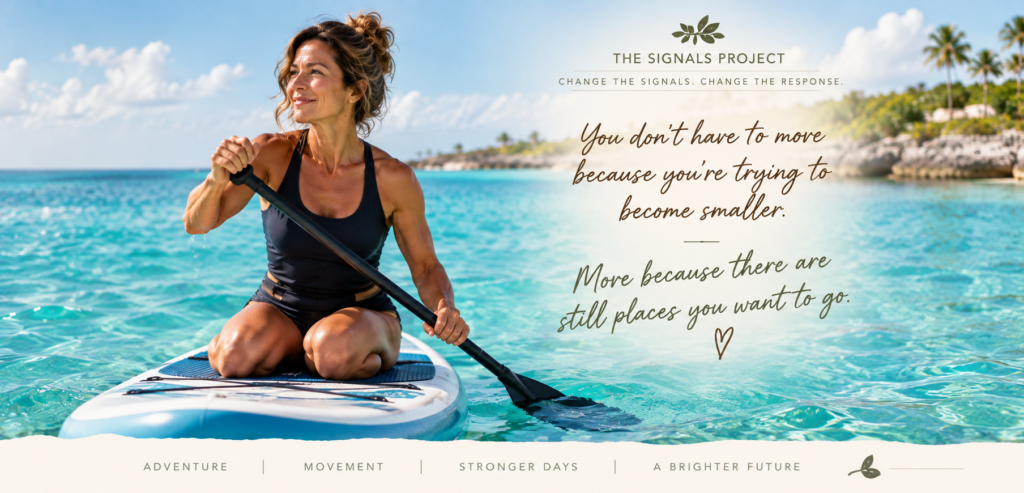
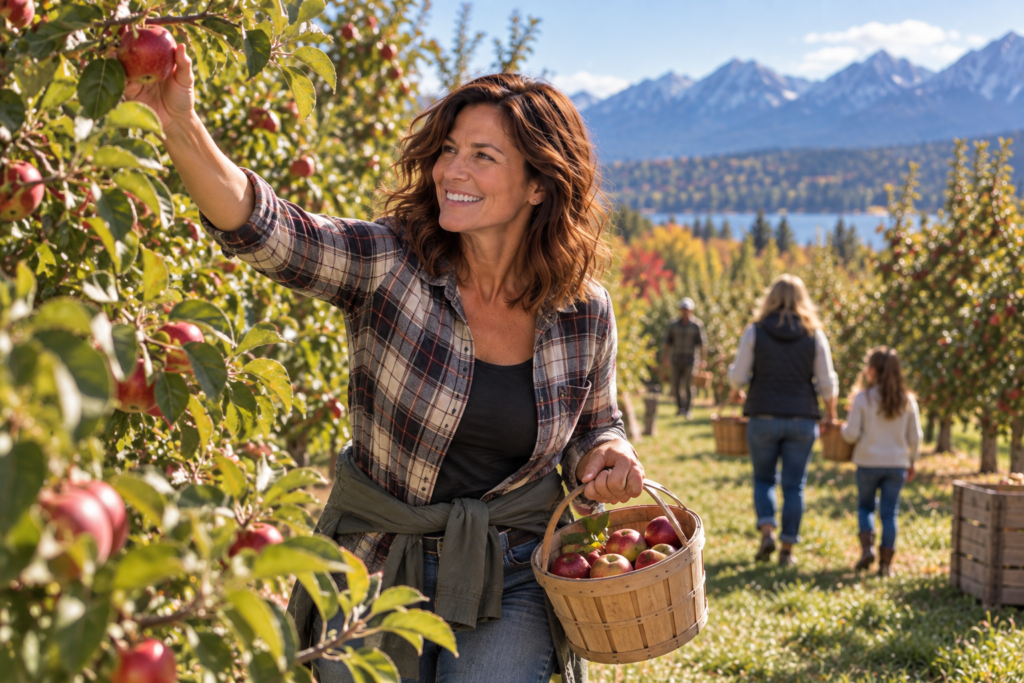
Maybe you want to explore. Get on a bike. Rent a kayak or canoe. Try snowshoes or cross-country skis. Go horseback riding. Wander a pumpkin patch, pick apples or berries, walk a Christmas-tree farm, explore a new town on foot, hunt for seashells along the beach, or try geocaching and discover how much ground you’ll happily cover when you’re looking for something.
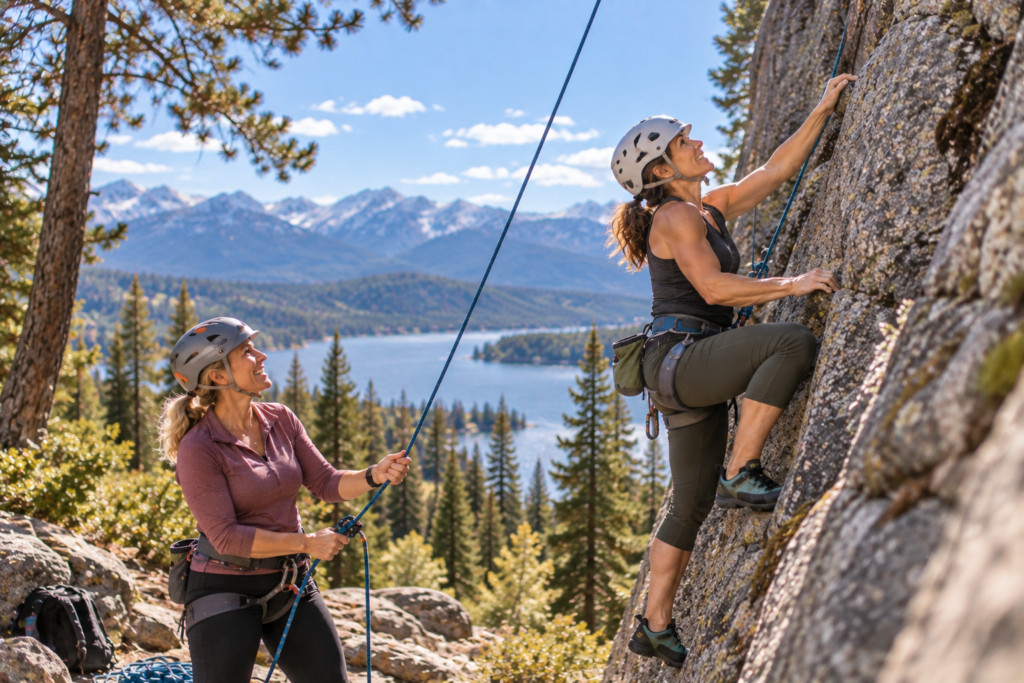
Maybe you want to learn a skill that makes you a beginner again. Try a climbing wall. Take an archery lesson. Step onto a paddleboard. Learn to belay. Try a slackline close to the ground. Sign up for a high-ropes course, go ziplining, try bouldering, or take a beginner lesson in something you’ve spent years assuming was for other people.
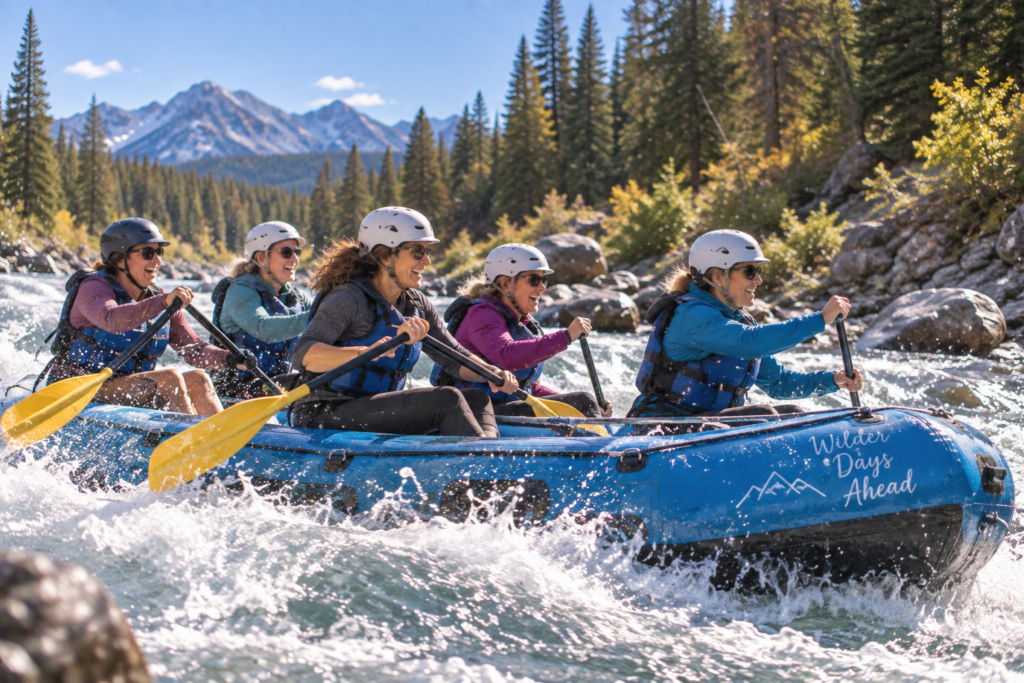
And maybe once in a while you want the bigger adventure. Go whitewater rafting. Rappel with a guide. Take the longer paddle. Try the more ambitious trail when you’re ready for it. Do the thing that makes you a little nervous and a lot excited. You don’t need to become an adrenaline junkie, collect accomplishments, or continually find something harder. One new experience is enough to remind you that there are still parts of yourself—and of the world—you haven’t met yet.
Be a Tourist in Your Own State
One of the easiest ways to find those possibilities is to look at where you already live through somebody else’s eyes. What do visitors travel there to see? What do they rent? Where do they paddle, climb, ride, skate, ski, explore, pick, wander, or play? What have you driven past a hundred times because it was always there and you figured you’d get around to it someday?
You don’t need a plane ticket or an elaborate vacation to have an adventure. Sometimes you just need to search your own state like you’ve never been there before.
There may be an astonishing amount of life waiting within a couple hours of your front door.
You Are Allowed to Be Terrible at Something New
Being a beginner gets strangely uncomfortable as we get older. By midlife, you’ve probably spent decades becoming competent at things. You know how to do your job, run your household, take care of people, solve problems, make decisions, and navigate most of the ordinary demands of your life. Then somebody hands you a paddle, clips you into a harness, puts skis on your feet, or explains the rules of pickleball, and suddenly you have absolutely no idea what you’re doing.
That can be wonderfully good for you. You are allowed to wobble on the paddleboard. You are allowed to miss the ball. You are allowed to need help getting onto the horse, forget which hand does what with the climbing rope, or discover that standing on a slackline is considerably easier when somebody else is doing it. You don’t have to look experienced while you’re learning something you’ve never done before. That’s rather the point.
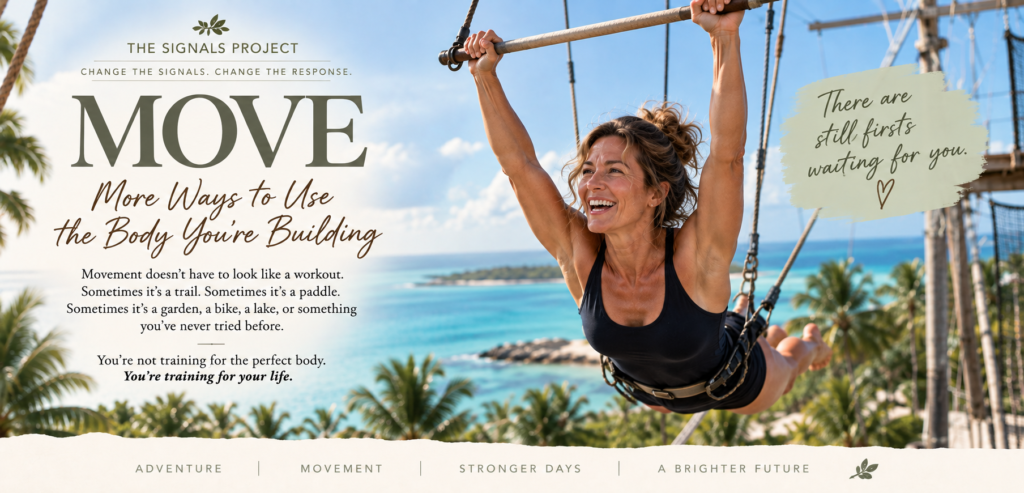
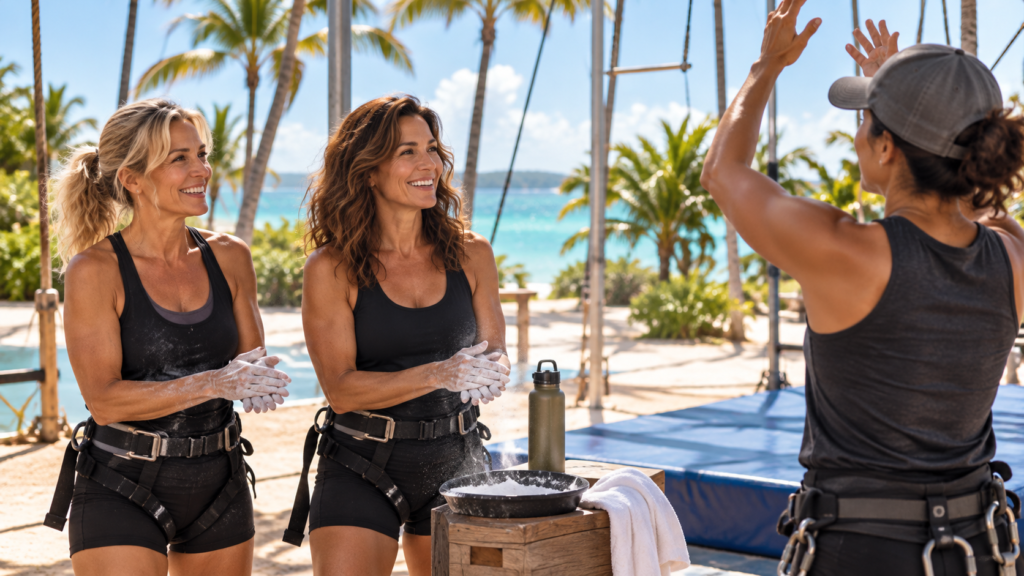
For my 40th birthday, my husband and I were in Turks and Caicos, and I got the chance to try a flying trapeze. Outside. In the Caribbean. Because apparently turning 40 wasn’t enough excitement for one day. I had never done anything like it, and trapeze certainly wasn’t some secret lifelong ambition I’d been waiting to fulfill. It was simply there. I had the opportunity to try it, so I did.
And it was incredible.
I didn’t come home and join the circus. I didn’t discover my calling as a trapeze artist. I didn’t need to. I got to be the woman who tried a flying trapeze on her 40th birthday, and that experience belongs to me forever. Sometimes that is all an adventure needs to become.
You also don’t have to figure these things out alone. Beginner lessons exist. Guides exist. Rental equipment exists. Introductory classes exist. Stables take people on their first trail rides every day. Climbing gyms teach people how to climb. Outfitters put first-time paddlers on the water. Somewhere right now, another grown woman is standing beside you thinking, I hope nobody notices I have absolutely no idea what I’m doing.
Let yourself be her.
You do not have to find your next hobby. You don’t have to become good at it. You don’t have to buy the equipment, make it part of your identity, or ever do it again.
Sometimes you just get to say yes once and find out what happens.
New Doesn’t Have to Mean Reckless
Trying something new doesn’t mean ignoring good judgment. Start where you are, choose activities that make sense for your current abilities, use the appropriate safety equipment, and take the beginner lesson when one is available. Check the weather and conditions, learn what you need to know before you go, and use qualified instructors or guides when an activity calls for them.
You don’t have to prove anything by choosing the hardest version first. There is plenty of adventure in learning slowly, asking questions, turning around when something doesn’t feel right, and coming home excited to try again.
Adventure and good judgment can absolutely coexist.
What Could You Say Yes To?
You don’t need to make a list of twenty new things to try. You don’t need to reinvent yourself, buy a garage full of equipment, or suddenly become the adventurous one in your family. Start much smaller than that. Look at the season you’re in. Look at where you live. Look at what’s happening this weekend. Then find one thing that makes you pause for a second and think, That could be fun.
Maybe it’s something familiar that you haven’t done in years. Maybe it’s something you’ve watched other people do and quietly wondered about. Maybe it’s an invitation you normally would have declined, a place you’ve driven past a hundred times, or something so completely outside your usual world that you have no idea whether you’ll like it. You don’t need to know before you go.
You don’t have to turn it into a routine. You don’t have to be good at it. You don’t have to do it twice. You are simply allowed to keep discovering what your body can do, what makes you laugh, what challenges you, what surprises you, and what makes you want to say yes again.
There are still places you haven’t been, things you haven’t tried, and versions of yourself you haven’t met yet.
Go use your body for something worth remembering.